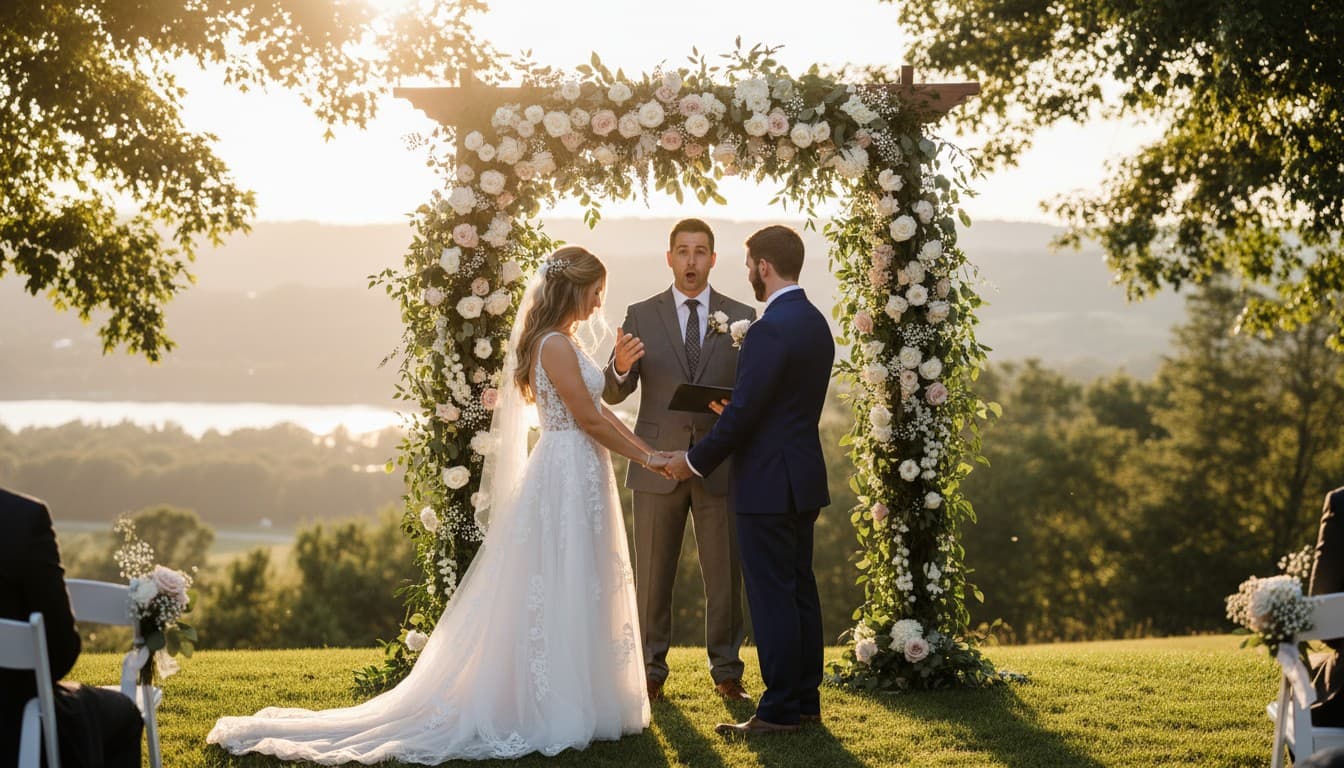
The wedding officiant speech
They asked you to marry them. The ceremony should sound like you know why.
Write My Officiant SpeechStarting at $49 · 30-day money-back guarantee
You set the tone for the entire day
The officiant speaks first. Before the best man, before the maid of honor, before the parents. Every word you say becomes the emotional frame for the rest of the evening. If you set the tone right, every speech after yours is easier.
The couple asked you because they trust you to get this right. Not because you've done it before. Not because you have a credential. Because you understand them well enough to translate who they are into words the whole room can feel.
That's a remarkable ask. It also means the speech needs to be about them, not about you. Your presence matters. Your personality matters. But the content should point at the couple, not at the podium.
What makes a wedding officiant speech land
Know the couple
The ceremony should sound like it could only belong to this couple. If you could swap out their names and give the same speech at another wedding, it's not specific enough. One real detail does the work of ten beautiful generalities.
Set the right length
Most officiant speeches work best between 8 and 15 minutes, ceremony included. Under 5 feels rushed. Over 20 and you'll see guests checking their phones. The words should feel earned, not exhausting.
Match their tone
Some couples want reverent. Some want irreverent. Some want both in the same ceremony. Your job as officiant is to honor their tone, not impose your own. Ask them directly: what should this feel like?
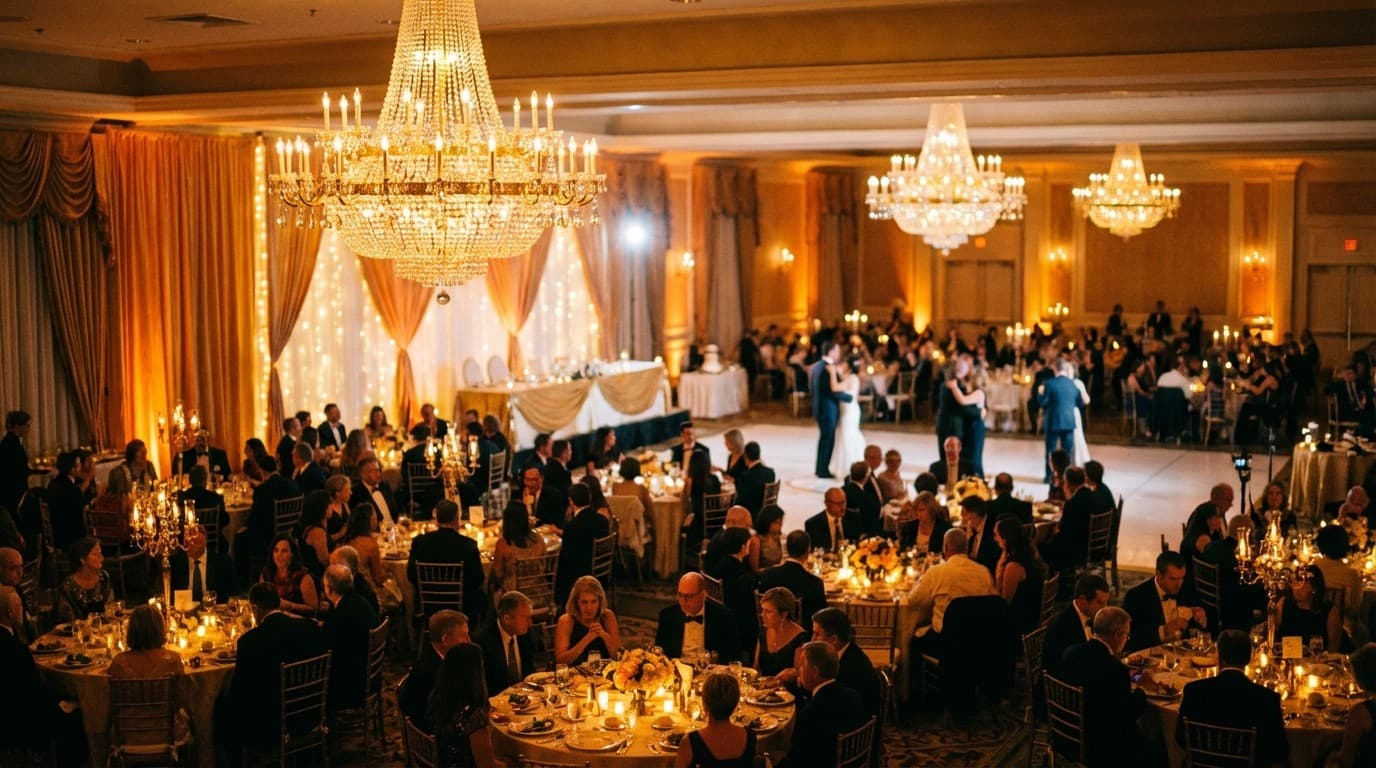
“They won’t remember every word.
They’ll remember how it felt.”
Four sections of a ceremony that works
Every great ceremony follows this arc. Customize the content, keep the shape.
The opening
Set the room. Not with 'Dearly beloved' unless that's genuinely what fits. The best openings orient the guests: why we're here, who these two people are, and what kind of ceremony this is going to be. One sentence of context does more than a paragraph of poetry.
The couple
This is the part that separates a ceremony from a legal procedure. Talk about them. Not generically. One observation about their relationship that only someone who knows them would make. The guests want to see the couple recognized as individuals, not as archetypes.
The vows
Whether you're reading their written vows or leading them through traditional ones, this is the emotional center. Slow down. Give the words space. If they wrote their own, your job is to frame and introduce them, not compete with them.
The pronouncement
Make it clear, make it warm, and make it feel like an arrival. The room has been waiting for this moment. Let the sentence land before you tell them to kiss. A beat of silence here is worth more than a clever line.
Common officiant mistakes (and how to avoid them)
Making it about you
You were asked to officiate because of your relationship with the couple. But the ceremony is about them, not your feelings about being chosen. Keep personal anecdotes short and pointed at the couple, not at your own experience.
Reading the whole thing cold
Reading from a script without practicing kills the warmth. You do not need to memorize it word for word, but you should know it well enough to look up, make eye contact, and let the emotional moments land naturally.
Going too long
Fifteen minutes is the ceiling for most ceremonies. Guests are standing, the couple is nervous, and the reception is waiting. Cut anything that does not serve the couple directly. If a section feels like filler, it is.
Ceremonies worth remembering
“I was terrified of officiating my best friend's wedding. SpokenVow asked me questions about them for 15 minutes and gave me a ceremony that made both of them cry. In a good way.”
Marcus T.
Friend officiant
“I've officiated three weddings now. The first two I wrote myself and they were fine. This one was different. It actually sounded like I knew what I was doing.”
Rachel K.
Sister of the bride
“My brother asked me to officiate two weeks before the wedding. I panicked. SpokenVow gave me three versions of the ceremony and I mixed and matched until it was exactly right.”
David L.
Brother of the groom
Common questions
How long should a wedding officiant speech be?
Most officiant speeches (including the full ceremony) run 8 to 15 minutes. The speech portion itself is typically 3 to 7 minutes. Keep it long enough to honor the couple, short enough to hold the room.
What should an officiant say at a wedding?
An officiant typically welcomes guests, shares something personal about the couple, introduces or leads the vows, and pronounces the marriage. The best ceremonies include at least one specific, personal detail about the couple.
Can a friend officiate a wedding?
In most US states, yes. Many couples ask a close friend or family member to get ordained online and officiate. Check your state and county requirements. The speech itself matters more than the credential.
How do I write an officiant speech for a wedding?
Start by talking to the couple about what they want the ceremony to feel like. Build around four sections: opening, couple recognition, vows, and pronouncement. Write it in your natural voice. Practice it out loud at least three times.
The full officiant guide
Ceremony scripts, common mistakes, and a full example you can use as a reference.
Read the full guide Officiant Wedding Ceremony SpeechMore speech guides
Officiant speech examples
Six full ceremony scripts for different tones, styles, and family structures.
Wedding vows
Help the couple write vows that sound like them, not like a greeting card.
Best man speech
The speech that comes after yours. Help him get it right too.
Wedding toast
Short, warm, and specific. The toast that makes the couple smile.
The ceremony should sound like you know them
SpokenVow interviews you about the couple, then writes three complete ceremony drafts. Not a template. Their story, your voice, their day.
Starting at $49 · 30-day money-back guarantee